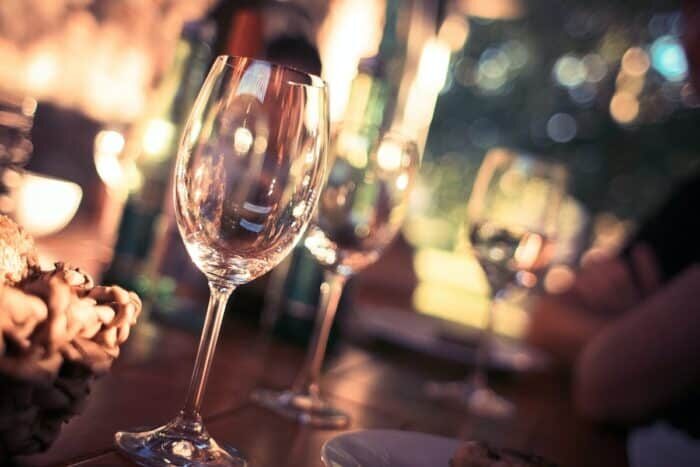
Wine tasting is an art that goes beyond simply drinking. It encompasses various aspects, one of which is the precise measurement of the amount of wine poured into a glass. Indeed, too little wine can hinder a complete tasting experience, while too much wine can lead to excessive consumption. This practical guide will explore different methods for accurately measuring the amount of wine in a glass, using available tools, as well as providing tips for estimating the quantity without the help of these tools.
Wine Measurements: Understanding Different Units
Continuing our practical guide, it is crucial to discuss the essential tools for accurately measuring the amount of wine poured into your glass. The key element in this regard is undoubtedly the ‘wine glass cl‘. For those unfamiliar with this specific terminology, the ‘wine glass cl’ simply refers to a wine glass whose capacity is indicated in centiliters (cl).
The choice of glass proves to be a critical step when it comes to tasting wine. Typically, a standard ‘wine glass cl’ holds between 12 and 15 cl. This volume not only allows for moderate consumption but also provides the necessary space to fully appreciate the aromas and flavors of the nectar.
One of the main advantages of the ‘wine glass cl’, as a unit of measurement, lies in its ease of use. It offers a precise indicator of the volume consumed, thus facilitating individual control—relevant information whether to monitor caloric intake or limit alcohol consumption.
However, it is worth noting that there are different types of ‘wine glasses cl’, each with varying capacities that can reach up to 25 cl or drop below 10 cl depending on your specific needs. Therefore, it would be wise to carefully check the information regarding capacities available for each model before your purchase.
In addition to the classic ‘wine glass cl’, consider introducing a measuring pourer or even opting for a measuring carafe if you plan to serve multiple bottles during events primarily celebrated at home. These alternatives also ensure a certain level of precision while adding an elegant and functional touch to the service.
Overall, these additional options require more handling compared to the indications already provided by your trusty ’wine glass cl’. So enjoy the easy and effective use that this essential tool offers in determining the exact current quantity consumed.
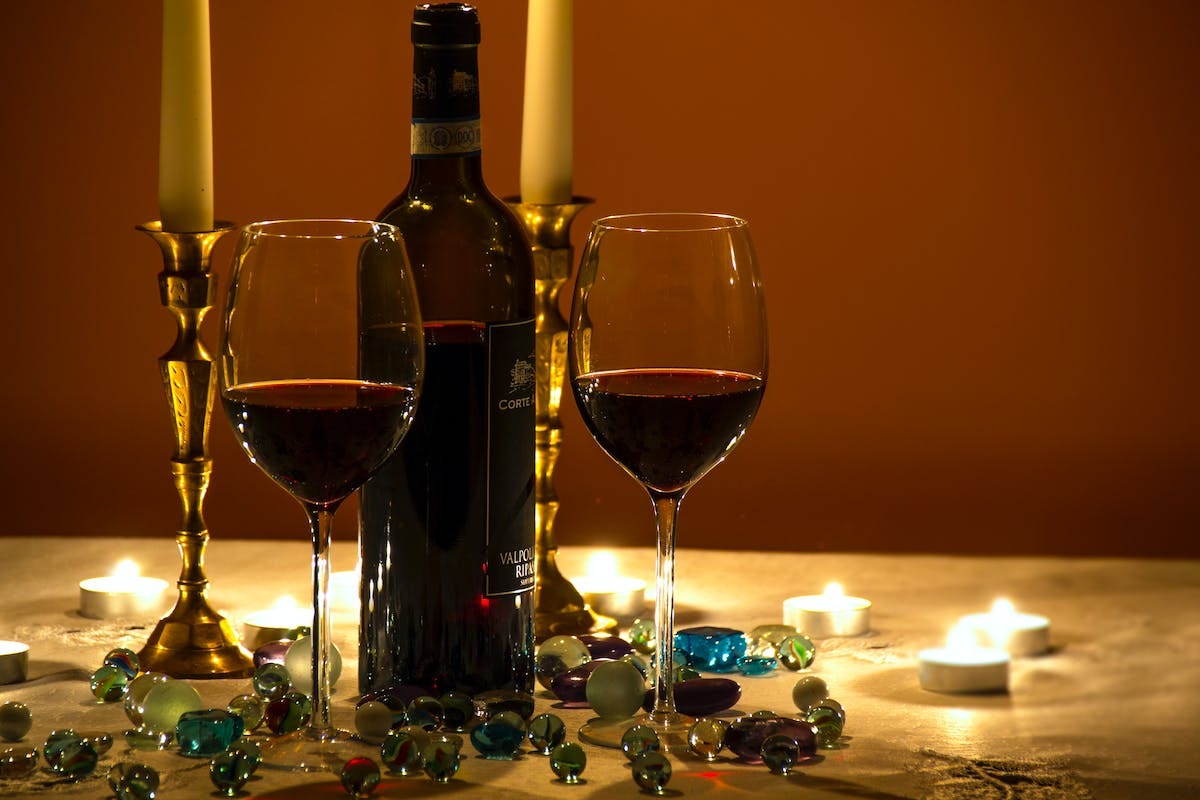
Essential Tools for Measuring Wine Accurately
Let’s continue our exploration of measurement methods to accurately assess the amount of wine in a glass. Beyond traditional tools, there are also more advanced techniques that allow for even more precise results.
One of these methods involves using an electronic scale. This option offers great precision by measuring the weight of the glass before and after pouring in the wine. By subtracting the initial weight from the final weight, you will obtain the exact amount of wine consumed. This method requires the use of an appropriate container and may be less practical when tasting several different wines.
Another approach is to use a measuring glass. These glasses are specially designed with markings on the sides indicating the exact volume in milliliters (ml). The advantage here is that you can quickly measure the precise amount without needing additional equipment. Keep in mind that each type of wine has its own density, which can slightly affect the accuracy of measurements made with this method.
For those seeking a more technological solution, there are also mobile applications dedicated to measuring wine. Certainly innovative, these applications typically use the smartphone’s built-in camera to instantly analyze the fill level of the glass and thus provide a fairly reliable estimate.
Of course, whatever method you choose to measure your quantity of wine, remember that the main goal is to consume in moderation. Knowing exactly how much you are drinking can help you control your consumption and fully appreciate the characteristics of the wine without overindulging.
There are various methods to accurately measure the amount of wine in a glass. From the classic ‘wine glass cl’ to more sophisticated tools such as electronic scales or measuring glasses, each offers specific advantages in terms of precision and practicality. It’s up to you to choose the one that best suits your personal needs. Don’t forget to pay particular attention to your consumption and always remember that moderation is key to responsible tasting.
Reliable Methods for Measuring Wine Quantity
In the measurement of wine, you must consider various factors that can influence the results obtained. The accuracy of the measurements will depend, in particular, on how you handle the glass and the type of tool used.
You should consider the tilt of the glass while pouring. Indeed, excessive tilting can lead to overfilling or underfilling the glass, which would skew the measurements. It is therefore recommended to keep the glass at a moderate angle while pouring the wine to achieve a more precise quantity.
Another factor to consider is the temperature of the wine. The volume of a liquid varies with its temperature, as it expands when heated and contracts when cooled. Therefore, if you measure your wine while it is still warm or cold, this may affect the accuracy of the results obtained. It is best to wait for the wine to reach room temperature before proceeding with the measurements.
Also, be sure to observe the physical state of the wine itself. Some wines tend to form more or less foam when poured into a glass. This foam can occupy a significant portion of the total volume and should therefore be taken into account during measurements to avoid any bias in the results.
Always keep in mind that each person has their own visual perception of volumes, which may differ slightly between individuals. Therefore, it is recommended to take multiple measurements to obtain a more accurate average.
The measurement of wine in a glass requires careful attention to detail and various factors that may affect the results. By considering the tilt of the glass, the temperature of the wine, the possible formation of foam, and the perceptual variations between individuals, you will be able to obtain more accurate and reliable measurements. Take the necessary time to carry out your measurements carefully to fully enjoy your oenological experience while being aware of the quantities you consume.
Avoid These Common Mistakes When Measuring Wine
In the fascinating world of wine, precision is essential to fully appreciate this refined beverage. Accurately measuring the amount of wine in a glass may seem trivial, but it can make all the difference in the tasting experience.
Use a clear and uniform glass: Opt for a transparent stemmed glass without patterns to have better visibility of the fill level. Patterns can distort your visual perception and lead to inaccurate measurements.
Tilt the glass while pouring: When pouring wine into your glass, tilt it slightly to avoid any splashes that may alter your measurements. A simple gesture that helps maintain the integrity of your results.
Pay attention to measurement marks: Some manufacturers offer engraved marks on their glasses specifically designed to indicate standard quantities (e.g., 10 cl). These markers are very practical for quickly obtaining an approximate measurement.
Prefer the use of a measuring carafe: If you want to be even more precise in your measurements, invest in a measuring carafe. This container with graduation will allow for finer measurements in milliliters rather than centiliters.
Use a precise kitchen scale: For those seeking the greatest accuracy possible, consider using a precise kitchen scale. Pour your wine into a suitable container on the scale and measure it in grams, then convert the results into milliliters according to the specific weight of the wine you are using.
Take aeration into account: Note that the fill level of a glass may vary if the wine has been aerated beforehand. When you let your wine breathe before pouring, there may be slight evaporation that slightly alters the final quantity in your glass.
By following these simple yet effective tips, you will be able to accurately measure the amount of wine in your glass and thus fully enjoy the subtle aromas and flavors it offers.
Tips for Accurate Wine Measurement
Beyond the aesthetic and practical aspects, measuring the amount of wine in a glass also holds importance from a health perspective. Indeed, it is recommended to consume wine in moderation and to adhere to the recommended doses by nutrition experts.
According to the current standards, a standard serving is approximately 125 milliliters for dry red or white wine. For sweet or liqueur wines, this amount can be reduced to 75 milliliters. Be sure to refer to the producer’s indications on the bottle label to know the alcohol content as well as the recommended portion.
In a context where the notion of balance between gustatory pleasure and health preservation is gaining importance among discerning enthusiasts, carefully measuring each glass becomes essential. The mastery of portions not only allows you to fully enjoy the complex flavors of wine without excess but also helps avoid certain harmful effects on our bodies.
Knowing how to correctly dose a glass also offers the undeniable economic advantage: you can savor your favorite beverage while optimizing your personal stock. You keep your bottles longer without having to replace them prematurely.
Beyond the pragmatic gesture of pouring your nectar accurately into your favorite chalice, let us appreciate this discipline as an integral part of the art of tasting. By meticulously adhering to the recommendations, we also demonstrate a holistic approach to this millennia-old culinary heritage that is wine.
Measuring the amount of wine in a glass is an act not to be overlooked, both for practical reasons and for considerations related to our health and well-being. An accurate measurement allows for an optimal sensory experience, while promoting responsible consumption that honors this divine nectar.