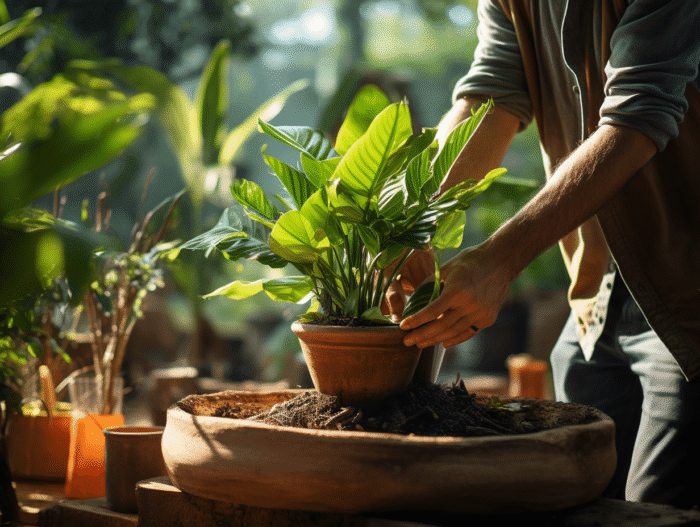
The transplantation of exotic plants is a delicate practice that piques the interest of horticulturists and gardening enthusiasts. These species, often sensitive to changes, require special attention when moving to a new environment. Timing is fundamental: it is essential to choose the right moment in the plant’s life cycle to minimize stress and encourage adaptation. The techniques and precautions to take vary according to the specifics of each species. From preparing the new soil to post-transplant acclimatization, each step is crucial to ensure the survival and prosperity of exotic plants.
Key periods for the transplantation of exotic plants
Choosing the exact moment for transplantation is crucial for the survival of exotic plants. For trees and shrubs, the time window extends from November to March, outside of frost periods, to take advantage of the dormancy of the vegetation. This pause in the growth cycle provides optimal conditions for the roots to establish themselves in their new environment before the return of spring. Exotic roses follow a similar logic, with transplantation also needing to occur between November and March, a time when the risk of cold damage is lower.
As for conifers, with the notable exception of cypress, the best time for their relocation is between late August and early September. This period is strategic as it precedes the resumption of autumn growth, allowing the plants to strengthen before winter arrives. In contrast, the palm tree, the quintessential tropical plant, requires special attention regarding its transplantation, which should preferably take place in early summer, when climatic conditions favor rapid recovery and vigorous growth.
Regarding the hibiscus, transplantation should occur in March, just before the resumption of vegetation. This period is favorable as the plant is still at rest and the new growth cycle has not yet begun, thus reducing the shock of relocation. Concerning the time to move a calla lily, be sure to wait until after flowering, when the plant naturally enters a dormancy phase. This will allow the calla lily to establish itself better and thrive for the next season.

Techniques and tips for successful transplantation of exotic plants
For exotic shrubs, root girdling is a recommended preventive technique. It involves preparing the plant several months before transplantation by cutting the peripheral roots. This process stimulates the formation of new roots within the formed circle, thus reducing the transplant shock. Performing this operation a year before the move allows for better recovery of shrubs in their new environment.
Carnivorous plants, on the other hand, require repotting every 4 to 5 years to ensure their optimal development. These specimens thrive in very poor substrates, similar to their natural habitat. Gardeners must therefore ensure to replicate these specific conditions by opting for mixtures of blonde peat with sand or perlite to promote their growth while avoiding excessive enrichment of the substrate.
Regarding Nepenthes, an exotic plant prized for its uniqueness and beauty, repotting is often unnecessary. These plants have a high adaptability capacity, allowing them to thrive in unchanged conditions for long periods. However, gardeners should remain attentive to humidity and substrate quality, which are essential to the plant’s health.
Follow these recommendations diligently to ensure the successful transplantation of your exotic plants. Paying special attention to the specifics of each species, having a thorough understanding of their needs, and meticulous care in the preparation and follow-up of the transplantation are the keys to successfully integrating these delicate plants into their new habitat.