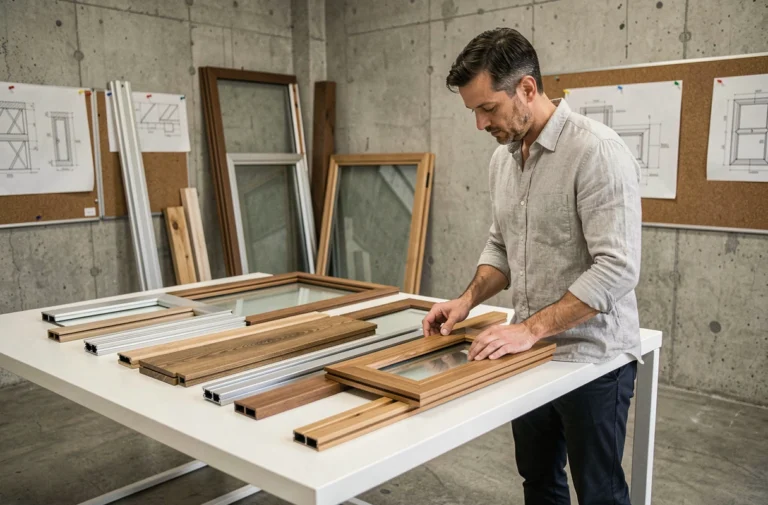
A hobby that lasts beyond three months rarely relies on initial enthusiasm alone. It depends on how well the activity fits the person’s real-life constraints: schedule, location and level of physical or cognitive commitment. This balance, more than the choice of activity itself, determines whether free time truly becomes time for rest or stimulation.
The practical side of a hobby: the criterion guides overlook
Before browsing lists of activities, start by assessing how accessible they are in practice. The 2025 Cultural Outings Barometer identifies lack of availability, feeling that an activity is not for you and fear of crowds as some of the main barriers to participation. These obstacles are logistical, not a matter of personal taste.
The Institut Paris Region’s 2024 survey on sports participation confirms this: regular participants first look for a place close to home. They combine gyms, outdoor spaces and home workouts depending on what is readily available.
In practical terms, an activity that requires a journey of more than twenty minutes on a weekday is far more likely to be abandoned than one you can do nearby. Exploring Only Internet’s leisure activities can also help you discover a range of options before settling on a particular format or location.
- Assess the round-trip travel time to the venue, not just the duration of the session itself
- Check whether the activity is available in a hybrid format (in-person classes plus independent practice) so you can manage busy weeks without losing momentum
- Identify the times you’re genuinely free during the week, rather than theoretical openings, and factor in post-work fatigue

Three types of hobbies and how they support recovery
In a 2025 article for Psychology Today, psychologist Mark Travers proposes a three-pillar framework: a physical activity, a creative activity and a cognitive activity. This breakdown is no accident. Each category supports recovery after a day at work in a different way.
Physical activity: clearing your mind through movement
Walking, swimming, dancing, amateur team sports. The goal isn’t performance, but a sensory break from intellectual tasks. For people in sedentary jobs, the main benefit is releasing muscle tension built up from sitting in one position.
Choosing the right intensity matters: an activity that’s too physically demanding can leave you more tired instead of helping you recover. The right level of effort is one that helps you unwind without exhausting you.
Creative activity: self-expression and a mental reset
Drawing, writing, music, crafts. These hobbies engage neural pathways that differ from those used in analytical or interpersonal work. Creativity offers a shift in mental gear, rather than a passive break.
A common pitfall is turning a creative activity into a performance project (exhibiting, publishing or monetizing your work). Its restorative benefits disappear as soon as pressure to achieve results sets in.
Structured cognitive activity: mental stimulation without work-related pressure
Strategy games, learning a language, in-depth reading, online courses on a subject unrelated to your job. Sociologist Ulrich Reinhardt, quoted in the daily newspaper Blick, warns against the temptation to turn hobbies into “self-optimization.” Cognitive hobbies work precisely because they have no career stakes.
Access to hobbies by location: adapt your choices to where you live
Leisure options vary from one area to another. The 2025 Cultural Outings Barometer reports higher attendance and a wider range of options in major urban areas than in suburban or rural areas, particularly for cinemas, concerts and libraries.
A sustainable choice of hobby takes local realities into account rather than copying an urban lifestyle. In rural areas, outdoor activities (hiking, gardening, amateur astronomy) are often more accessible and less expensive than indoor classes. The reverse is true in densely populated cities, where outdoor space is limited but organized activities are plentiful.
The most reliable combination pairs an activity you can do at home or nearby (reading, playing an instrument, bodyweight exercise) with one that requires travel but takes place less often (a weekly class, a monthly cultural outing).

Try a hobby without pressure: a practical selection process
The testing phase is when most people give up—not because they lose interest, but because they rush into things. Signing up for an annual membership or buying expensive equipment before checking whether an activity really fits your lifestyle is a mistake in timing.
- Try each activity for four to six sessions before deciding, since a first impression rarely reflects how satisfying it will be in the medium term
- Try different formats (group classes, solo practice, online tutorials) to find the one with the fewest logistical hurdles
- Give yourself permission to quit an activity without feeling guilty: eliminating what doesn’t work is part of the selection process
- Limit yourself to two activities at a time to avoid spreading yourself too thin and make it easier to compare them
The final question isn’t “Am I passionate about this activity?” but rather “Do I find myself picking it up again the following week?” Unforced consistency is the most reliable sign that you’ve chosen the right hobby.
One final practical point that’s often overlooked: the ongoing cost of a hobby matters more than its upfront cost. A sport with modest initial equipment costs but regular travel or rental fees can cost more over a year than an activity with a higher initial investment but no ongoing expenses. Factoring this in can prevent people from giving up for financial reasons disguised as a loss of motivation.