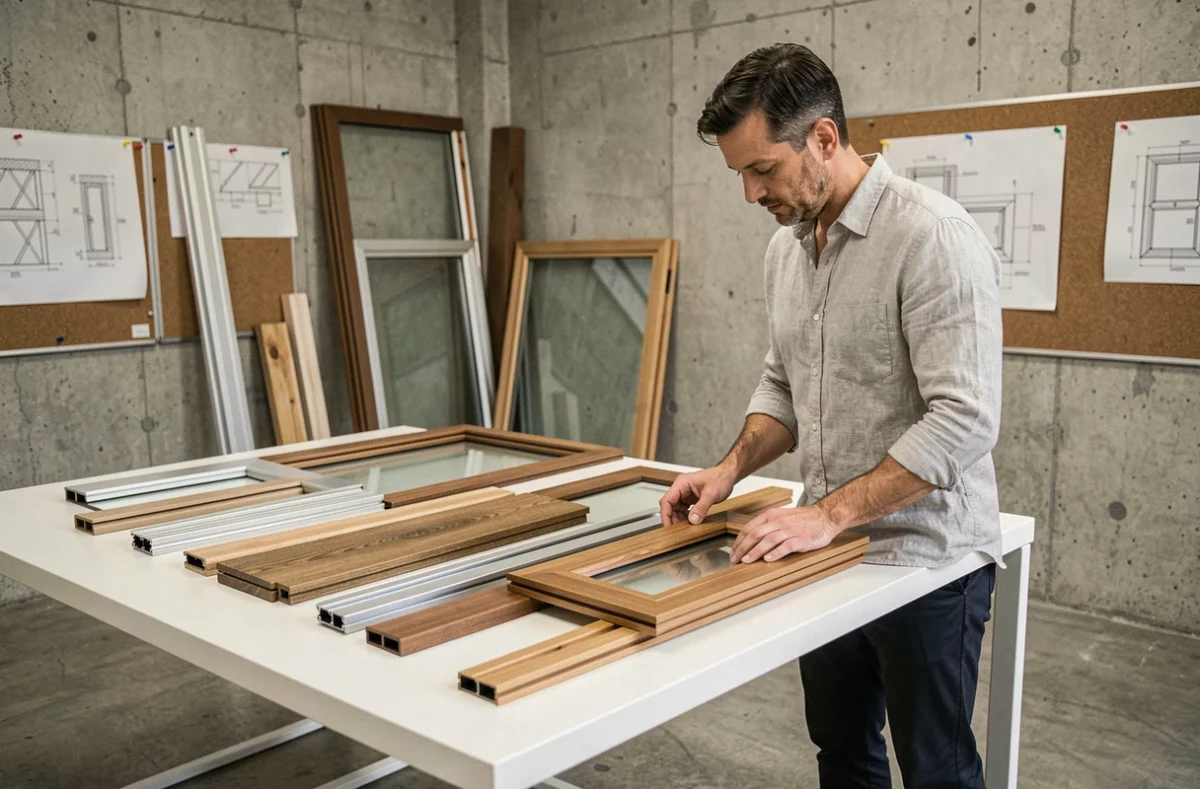
Choosing your joinery for a modern house means balancing thermal insulation, material durability, and architectural coherence. A window or a sliding door is not just an opening in a wall: it is the link that connects indoor comfort to external climatic constraints. And in a sustainable construction, this link deserves precise technical attention.
Uw coefficient and glazing: what thermal performance really changes
Have you ever noticed that a room can feel cold even with the heating on? Often, the window is the culprit. Even in a well-insulated house, the joinery remains the weakest thermal point of the envelope. The difference between a good and a bad window is felt daily, affecting both comfort and energy bills.
The Uw coefficient measures the overall thermal loss of the window (glazing plus frame). The lower it is, the better the window insulates. Standard double glazing offers decent performance, but triple glazing further reduces losses, especially on facades exposed to the north or prevailing winds.
Be careful not to think about the window in isolation. Replacing joinery without addressing the walls or roof significantly limits the actual energy gain. The perceived comfort improves (less draft, less condensation), but heating consumption only decreases significantly if the entire envelope is coherent. Qualified craftsmen, like those referenced on menuiserie-deule.fr, can assess this coherence before starting a project.
PVC, aluminum, or wood: choosing a material based on actual use
The three main materials (PVC, aluminum, wood) do not meet the same constraints. Rather than looking for “the best,” you need to identify the one that fits your situation.
PVC for controlled budgets
PVC has dominated the French market for years thanks to its quality-price ratio. It requires almost no maintenance and offers good thermal performance. Its limitation: PVC profiles are thicker than aluminum, which slightly reduces the glazed area. This difference is noticeable on large openings.
Aluminum for slim lines and large openings
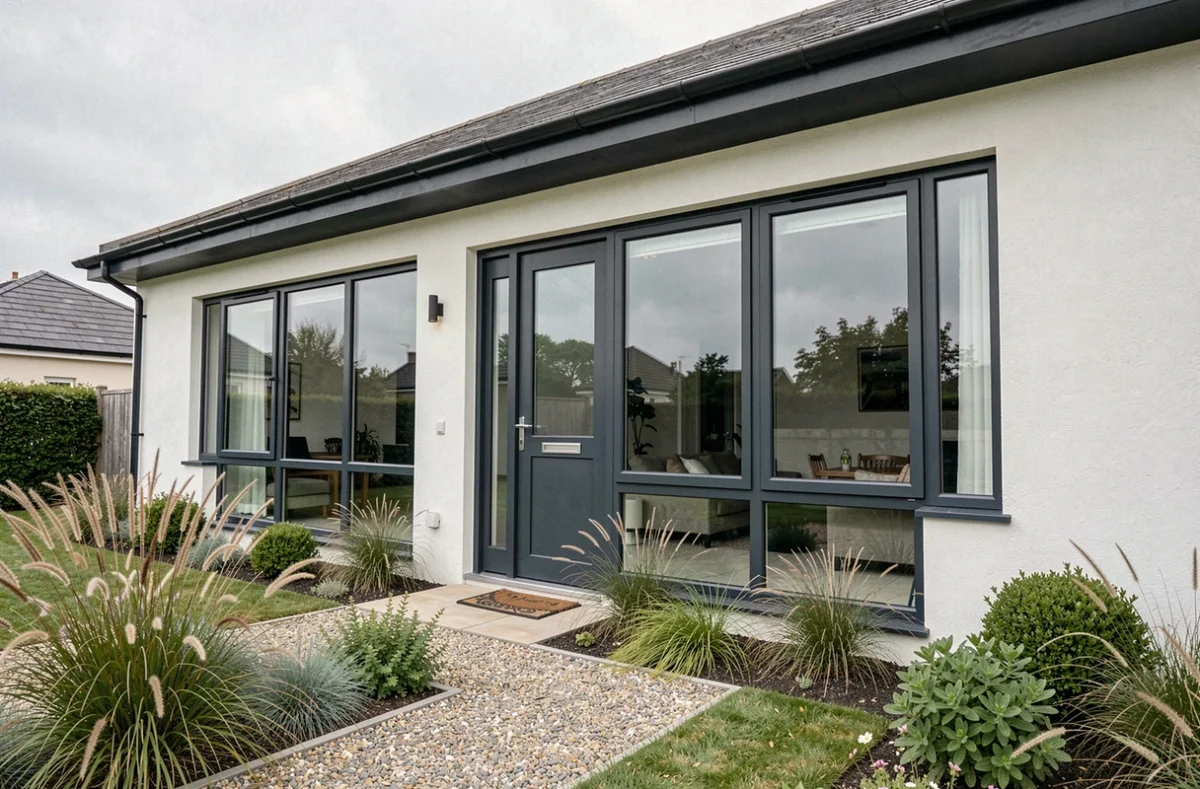
Aluminum allows for very slim profiles, ideal for large sliding doors. It is the material of choice for modern houses with glass facades. However, aluminum naturally conducts heat. High-performance aluminum joinery therefore incorporates a thermal break, an insulating insert placed in the profile to limit losses.
Wood for durability and environmental impact
Wood remains the most effective material for natural insulation and the most energy-efficient in terms of gray energy during manufacturing. It requires regular maintenance (stain or paint every few years), but its lifespan, when properly maintained, exceeds that of other materials. Mixed wood-aluminum joinery combines the insulation of wood with the external durability of aluminum, requiring no maintenance on the facade side.
Installation quality and RGE qualification: a criterion as decisive as the product
A poorly installed high-end joinery insulates less effectively than a mid-range model that is perfectly installed. The installation determines air and water tightness, mechanical durability over time, and the absence of thermal bridges at the frame level.
Why is this point often overlooked? Because the installation is invisible once completed. You see the product, not the peripheral seal or the frame’s shimming. Here are the elements to check before signing a quote:
- The RGE qualification of the installer: it conditions access to eco-PTZ and CEE bonuses. Without this certification, certain financial aids become inaccessible
- The installation method (in reveal, in tunnel, in rebate): it must be adapted to the type of wall and the planned insulation
- The treatment of peripheral sealing: expanding foam alone is not enough; a membrane or sealant supplement is often necessary
- The verification of squareness and shimming: a misaligned frame causes friction, infiltration, and premature wear of hardware
Financial aid for window replacement: what has changed in 2026
The landscape of financial aid has recently evolved. Since September 2026, the replacement of windows alone is no longer eligible for MaPrimeRénov’ in the “gesture” pathway. However, it can still be integrated into a larger renovation project, meaning a bundle of work affecting several areas of the envelope.
This evolution changes the financing strategy. If you are only planning a change of joinery, CEE bonuses and eco-PTZ remain avenues to explore, provided you use an RGE professional. If you are considering a comprehensive renovation (wall insulation, heating replacement, joinery), the project can be part of the supported pathway of MaPrimeRénov’.
As conditions evolve regularly, check the rules in effect at the time of signing your quote. A delay of a few months can change eligibility.
Type of opening and orientation: adapting joinery to each facade
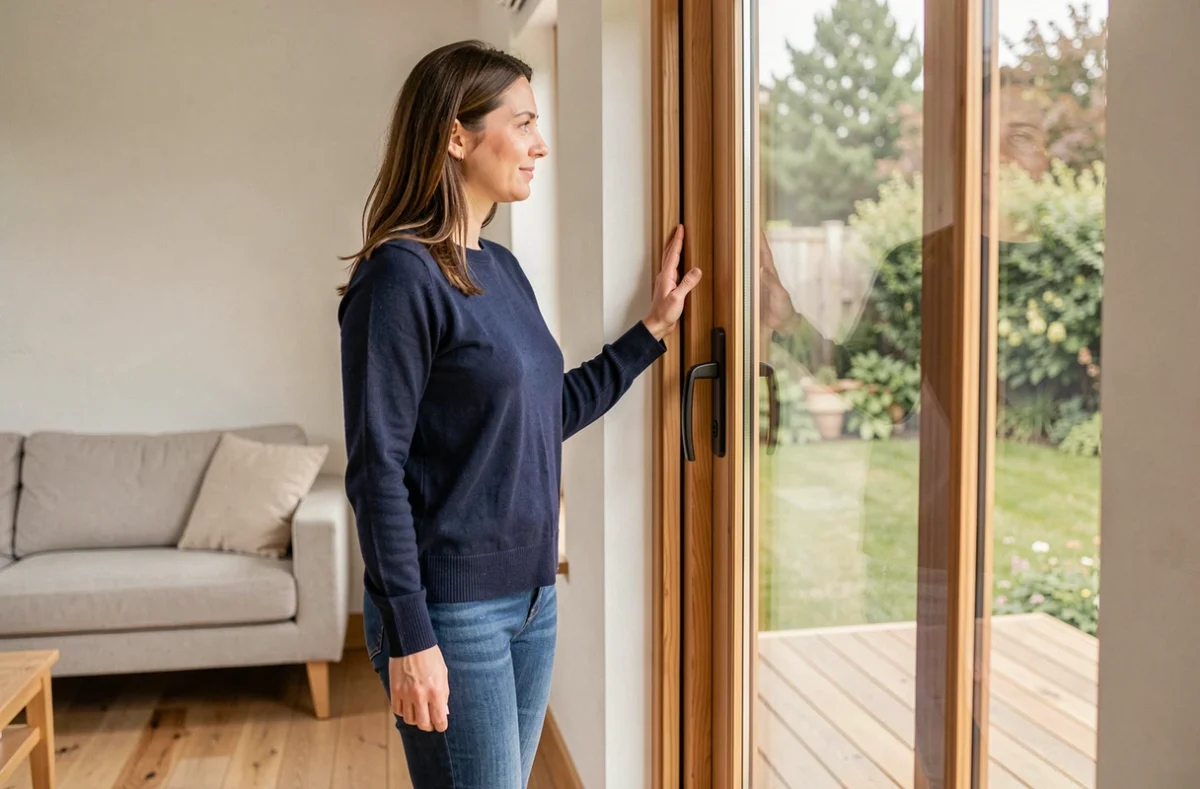
The type of opening is not just a matter of taste. A tilt-and-turn window offers controlled ventilation without compromising safety, making it suitable for children’s rooms or upper floors. A sliding door frees up floor space and is suitable for living areas opening onto a terrace.
The orientation of the facade should guide the choice of glazing. In the south, high solar factor glazing captures heat in winter, but you need to plan for protections (sunshades, shutters) to avoid summer overheating. In the north, prioritize highly insulating glazing (low Uw) without worrying about solar gains, which are almost non-existent.
The choice of durable joinery rests on three reinforcing pillars: a material suited to the use, glazing calibrated according to orientation, and installation carried out correctly by a qualified professional. Neglecting one of these three parameters compromises the other two.