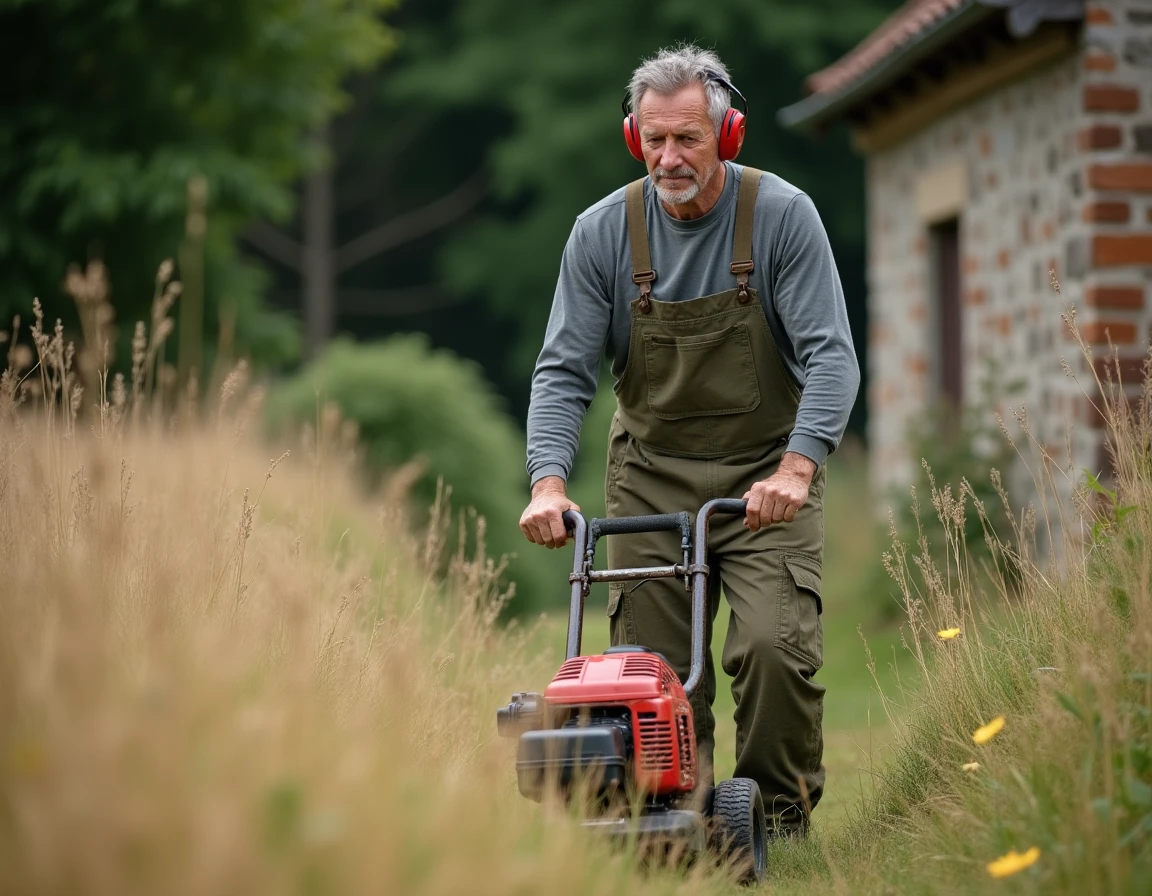
Between a 2-stroke engine and a 4-stroke engine, between a modest displacement and a large engine, the choice of a thermal brush cutter depends on measurable parameters. Power, compatible fuel type, and the level of vibrations transmitted to the hands: these technical criteria separate machines that last from those that end up at the back of the garage after two seasons.
Displacement, engine type, and fuel: what the technical sheets reveal
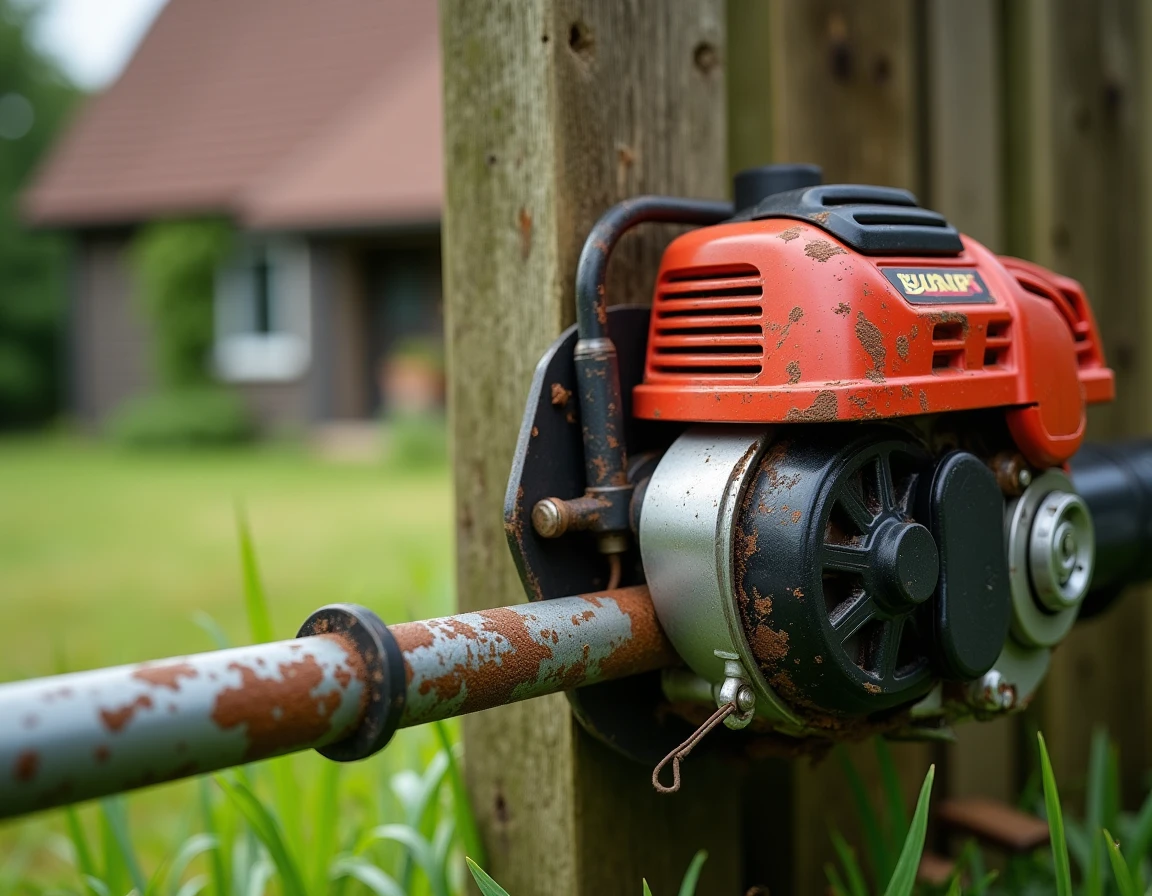
The displacement of a thermal brush cutter directly affects its ability to tackle brambles, thick undergrowth, or tall grass. Entry-level models hover around 25 cm³, sufficient for finishing touches or soft grass. Machines intended for intensive brush clearing go significantly above that.
The choice between a 2-stroke and a 4-stroke engine deserves attention. The 2-stroke remains the most common: lightweight, compact, it runs on a gasoline-oil mixture. The 4-stroke, heavier, separates oil from fuel, runs more quietly, and consumes a bit less. However, its extra weight affects ergonomics during long sessions.
| Criterion | 2-Stroke Engine | 4-Stroke Engine |
|---|---|---|
| Weight | Lighter | Heavier |
| Noise | High | Moderate |
| Fuel Maintenance | Gasoline-oil mixture | Separate oil |
| Consumption | Higher | Lower |
| Main Use | Versatile, dense undergrowth | Residential areas, regular use |
A often overlooked point concerns fuel. Since the widespread use of SP95-E10 in France, several manufacturers advise against this fuel on non-recent 2-stroke engines. The ethanol in E10 can degrade seals, clog the carburetor, and complicate starting after prolonged storage.
SP98 or alkylate fuels (like Aspen or Motomix) are more suitable for small thermal engines, especially if the machine doesn’t run every week. To compare available models based on their engine type and fuel compatibility, the detailed sheets published on top-debroussailleuse-thermique.com allow for cross-referencing this data before purchase.
Cutting system of a thermal brush cutter: line, blade, or disc

The cutting head determines what the machine can actually cut. Three main categories stand out, each corresponding to a specific type of vegetation.
- Nylon line head: suitable for soft grasses, edge finishing, and areas near walls or fences. The line wears out quickly on woody stems, but it limits dangerous projections.
- Grass blade (3 or 4 teeth): designed for dense and tall grasses, nettles, ferns. It cuts faster than the nylon line over large areas.
- Brambles or brush disc (8 teeth and more): trims brambles, small shrubs, and semi-woody vegetation. This type of blade requires sufficient engine power to avoid stalling.
Many thermal brush cutters accept multiple types of heads. Checking compatibility before purchase prevents being stuck with only one cutting tool.
Adapt the tool to the terrain, not the other way around
A garden with overgrown slopes and some lawn edges requires at least two cutting systems. Choosing a model compatible with both nylon line and bramble disc covers the majority of situations encountered by an individual. Investing in a machine that only accepts line significantly limits its usefulness as the vegetation hardens.
Vibrations and ergonomics: the criterion that guides overlook
The power of a thermal brush cutter is useless if the user cannot hold it for more than twenty minutes. Competing guides detail the displacement and type of blade extensively but quickly gloss over a factor that conditions actual use: the level of vibrations transmitted to the hands and arms.
Prolonged exposure to high vibrations causes musculoskeletal disorders (carpal tunnel syndrome, chronic numbness). Manufacturers are gradually integrating anti-vibration systems into their models, but the quality of these devices varies greatly from one range to another.
Points to check before purchase
The harness plays a direct role in the fatigue felt. A simple one-strap harness is sufficient for short sessions. For regular maintenance of undergrowth on sloping terrain, a forestry-type harness (double strap with back support) significantly relieves the shoulders and back.
The weight of the machine without the harness often exceeds what one imagines from an online sheet. Holding the brush cutter in hand before purchase, or at least checking the weight in working order (full tank), remains the most reliable precaution.
Local restrictions and the future of thermal in urban areas
Several French municipalities already restrict the use of noisy thermal machines for maintaining green spaces in the city. This trend is pushing municipal green space services towards battery-powered machine fleets, including for brush clearing.
For an individual, the question arises differently. In rural or peri-urban areas, with medium to large plots and dense vegetation, the thermal brush cutter remains the most autonomous and powerful solution. However, in a housing estate where neighbors are close, the noise of a 2-stroke engine can be problematic, especially on weekends.
Professional landscapers are already anticipating mixed fleets: thermal for large projects outside urban areas, battery for interventions in inhabited areas. This reasoning also applies to individuals who own both a small garden in the city and a larger plot elsewhere.
The choice of a thermal brush cutter comes down to three concrete trade-offs: the displacement suited to the dominant vegetation, compatibility with multiple cutting systems, and comfort of use over time. The type of fuel tolerated by the engine and local noise constraints complete the picture. A versatile model that accepts both nylon line and bramble disc, equipped with a good harness, meets the needs of the vast majority of gardens.