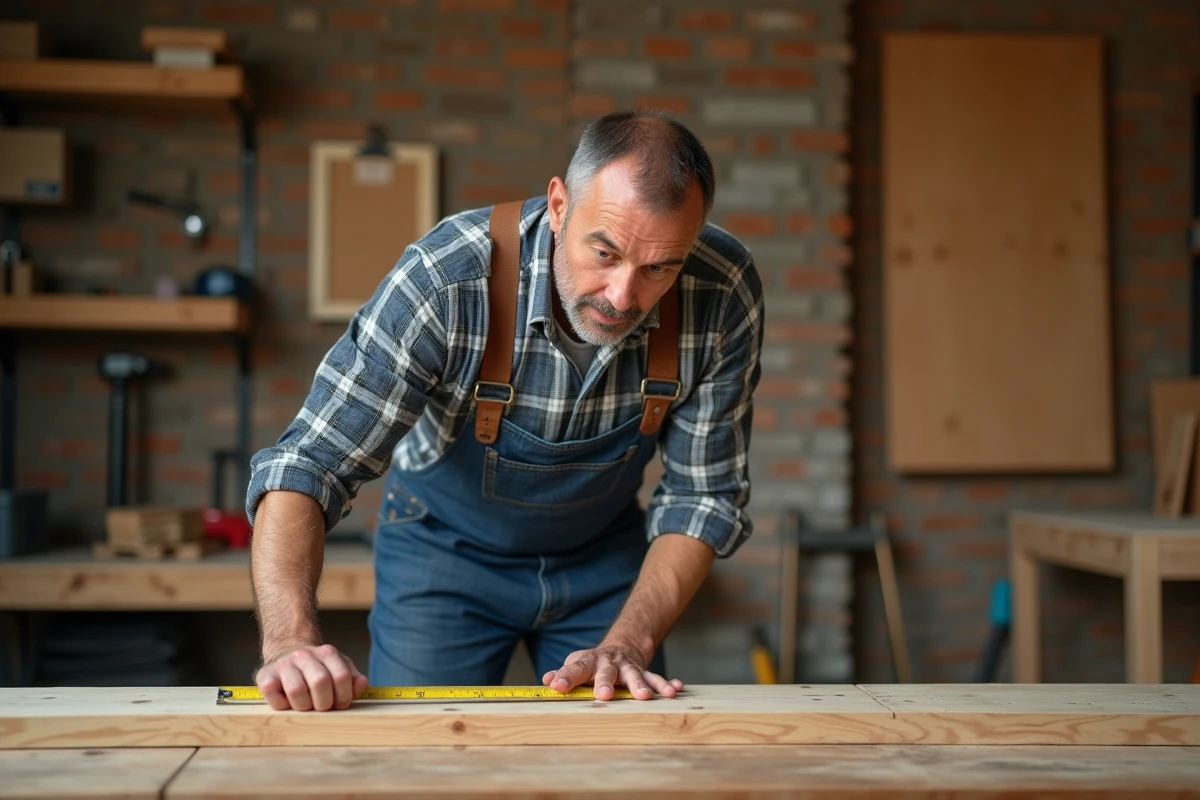
A failed DIY project is not due to chance: nine times out of ten, it’s the preparation that is lacking. Lacking tools slows you down, of course, but improvising without a clear plan or miscalculating your needs ensures disappointments, and sometimes, having to start all over again.
To avoid these pitfalls, some tried-and-true methods allow you to anticipate the unexpected and streamline each step. Relying on clear advice helps regain confidence and autonomy, even when faced with tasks that may seem daunting at first.
Why DIY at home is increasingly appealing to the French
DIY has become part of the routine in many households, going well beyond simple repairs. It’s no longer just about saving money or troubleshooting: it’s about taking control, claiming your space, and freeing yourself from dependence on experts. Whether it’s rebuilding a shelf, installing a light fixture, or transforming an old table, the hands-on approach provides a unique satisfaction. Creating, repurposing, adjusting: DIY has evolved into a lifestyle, a way to bring creativity into everyday life.
DIY aisles have never attracted so much attention. The search for sustainable solutions, the desire to do it yourself to reduce environmental impact: everything encourages exploring recycling, giving a second life to objects destined for the trash. Pallets, glass jars, or fabrics found in an attic: the home becomes a workshop, a playground for experimentation.
Specialized sites, like univers-du-bricolage.com, support this movement. You can find guides, detailed tutorials, and practical tips to get started without apprehension. This excitement is shaping a community: mutual aid, sharing ideas, pride in showcasing one’s creations. DIY brings people together, uniting around a shared desire to create, invent, and beautify their living environment.
What are the essentials to start your DIY projects without stress?
Before diving in, it’s best to build a solid foundation of tools and materials, steering clear of gadgets. This starter kit allows you to consider the essentials with complete peace of mind. To get started, here are the items to prioritize:
- hammer
- screwdrivers of various sizes
- tape measure
- spirit level
- hand saw
- A universal pliers
Power tools, like a drill-driver, give a boost to precision and save time. For materials, prioritize those that offer the most possibilities:
- Wooden pallets, which can be recovered for free or nearly so, can be transformed into furniture or storage depending on your inspiration
- A repurposed glass bottle can easily become a lamp or vase
- Recovered fabrics can be used to create cushions, rugs, or custom colorful accessories
Safety is non-negotiable: gloves, goggles, and a mask suitable for dust or the products used. Preparing your workspace, organizing tools to keep them within reach, and checking their condition with each use is also the foundation of an effective project. This discipline avoids unpleasant surprises and frees the mind for creativity.
With these fundamentals, every project gains serenity and allows for inventiveness, without being hindered by a technical failure or forgotten materials.
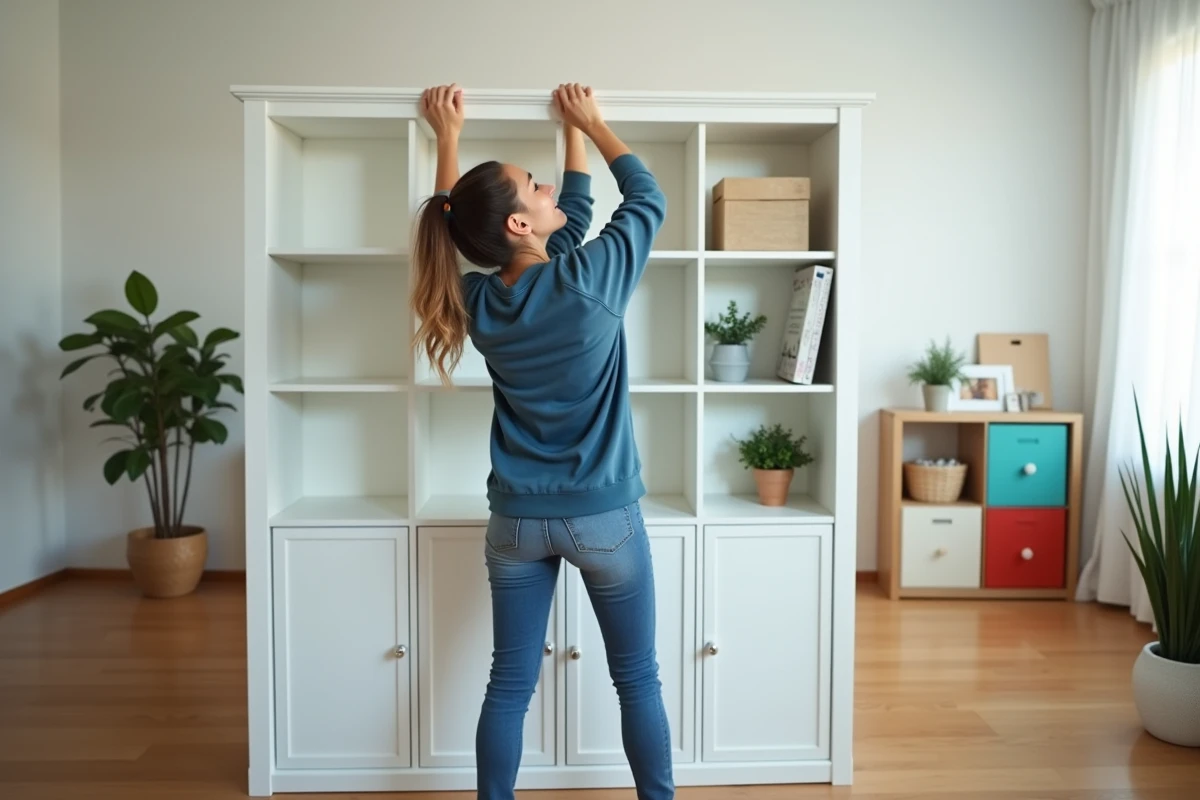
What are the practical and easy tips to successfully complete your projects, even if you’re a beginner?
To build confidence, nothing beats simplicity. Progressing step by step helps you learn to master your movements, discover your tools, and reassure yourself about your abilities. Here are some accessible project ideas to practice:
- Make a floating shelf from reclaimed boards: an excellent exercise for working on cutting and assembly
- Organize screws and small accessories in the workshop or kitchen using glass jars: a time saver and a tidy workspace
For furniture, wooden pallets have multiple uses:
- Assemble a bench for the garden or terrace: a few boards, some screws, a coat of outdoor paint, and you’re done
- Stack wooden crates to create storage modules, adaptable to the available space
- Install suspended planters on a balcony to grow herbs and flowers even in the city
For decoration, dare to repurpose the ordinary:
- Transform a glass bottle into a lamp or vase, depending on your mood
- Give new life to old fabrics by making unique cushions or rugs; refresh a forgotten frame to personalize a room
- Radically change the ambiance of an old piece of furniture with a bold and vibrant paint
DIY at home is full of easily adaptable tips, regardless of your experience. Every successfully completed project, no matter how modest, builds confidence, encourages trying more ambitious tasks, and gradually fosters the desire to transform your daily life with your own hands.